You are currently viewing a placeholder content from YouTube. To access the actual content, click the button below. Please note that doing so will share data with third-party providers.
More InformationPrepare the soil instead of replacing it
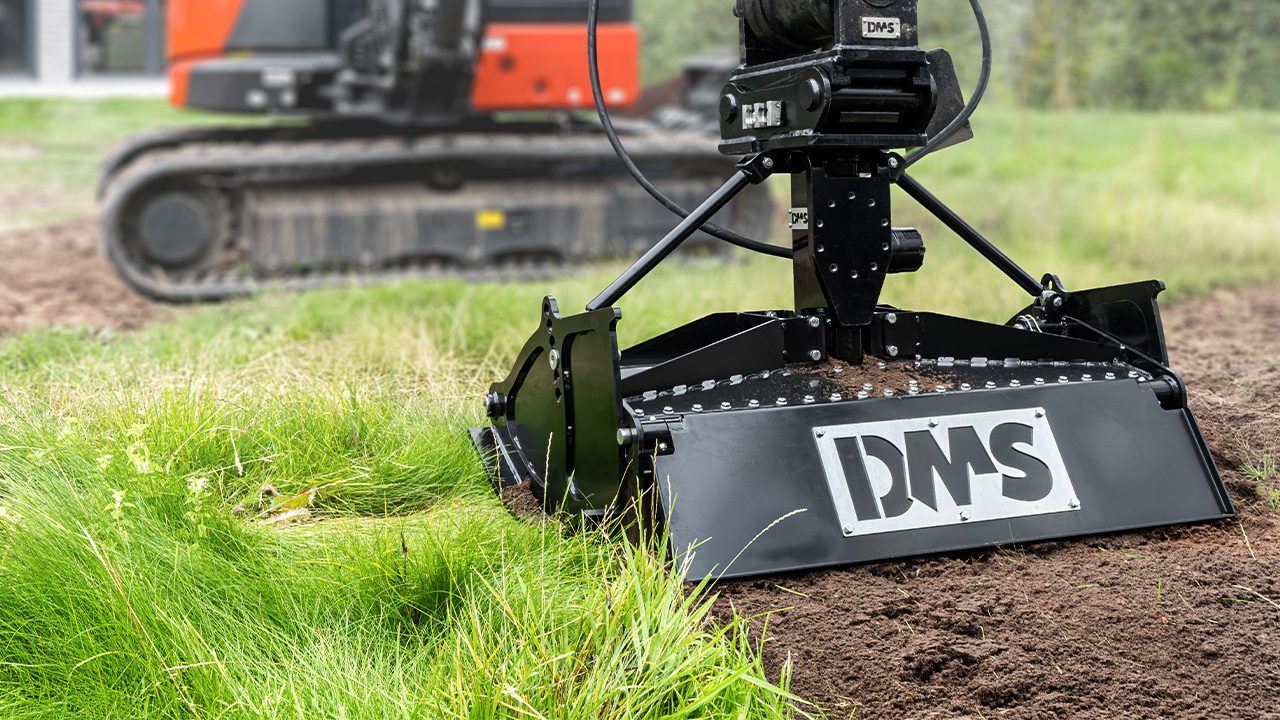
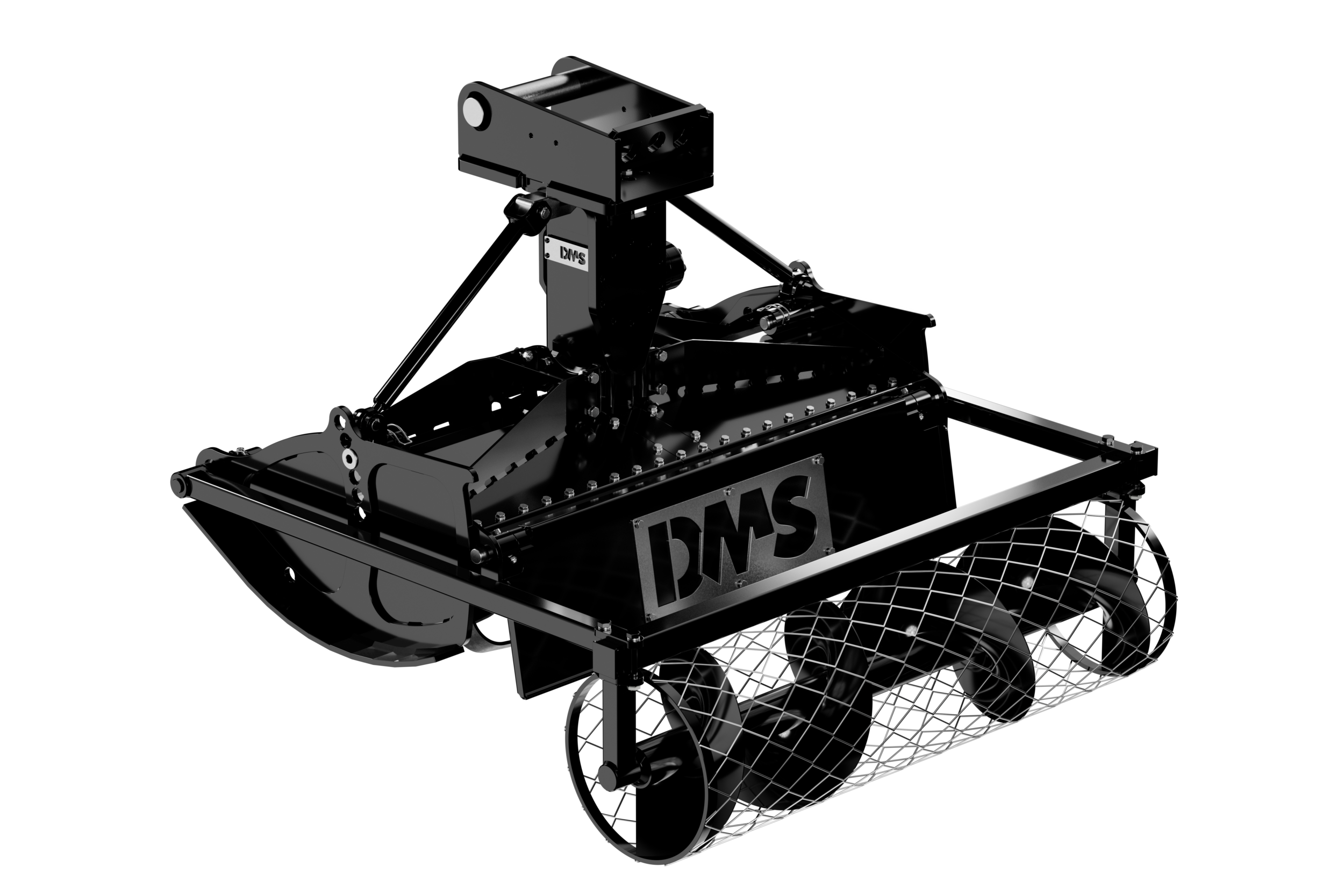
The DMS rotary tiller loosens, mixes, and screens the soil in a single pass—with the excavator that is already on site. For excavators from 1.5 to 10 t.
You are currently viewing a placeholder content from YouTube. To access the actual content, click the button below. Please note that doing so will share data with third-party providers.
More InformationSound familiar?
When the soil needs to be prepared for further work, conventional methods often involve unnecessary extra steps. Additional equipment, material transportation, and scheduling constraints increase the workload on site.
- Bring in topsoil: the existing turf must be disposed of and new topsoil brought in, resulting in additional work and costs.
- Transport a walk-behind tiller: it has to be loaded, transported, and then guided by hand over the area.
- Wait for rental equipment: the required rental unit is currently unavailable—and the construction schedule suddenly revolves around the machine.
Soil preparation reimagined
Benefits at a glance
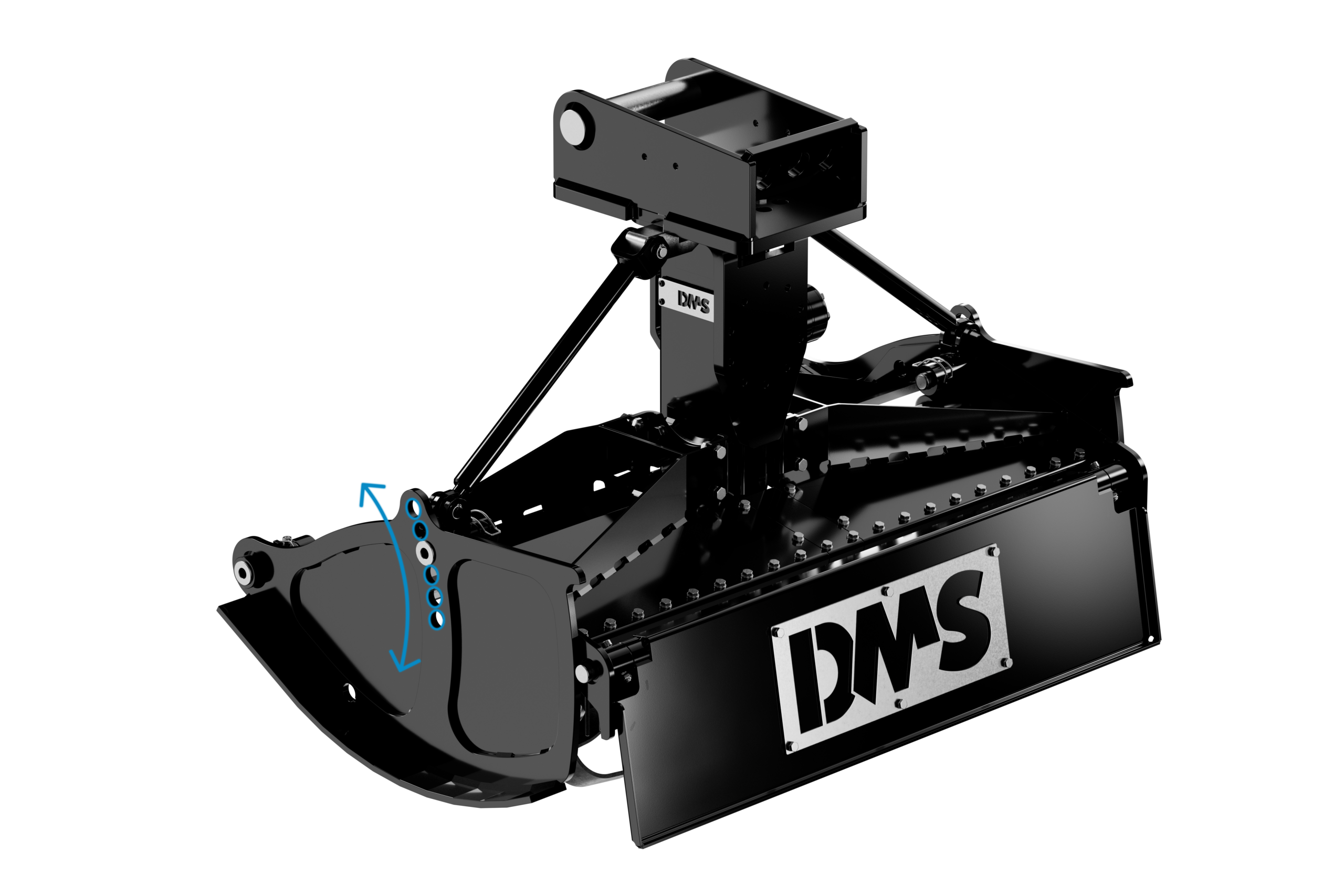
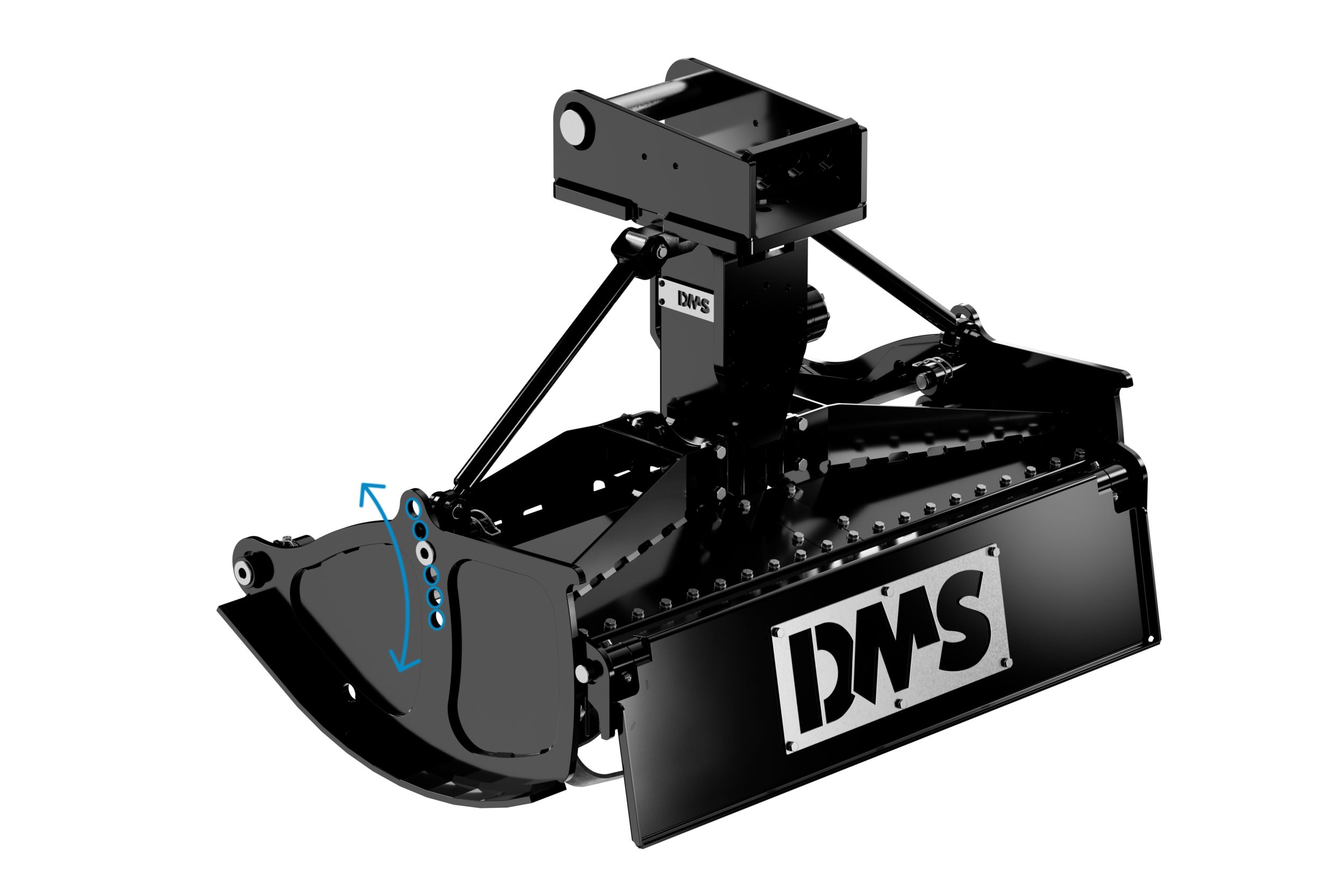
- Robust shaft bearings: withstand the high forces exerted by the excavator.
- Additional front flap: keeps the material inside the router.
- Six depth settings: enable quick adjustment.
- Round skids: prevent digging in when reversing.
HOW IT WORKS: REVERSE TILLER IN THREE STEPS
Step 1: pick up soil
The tiller rotor rotates against the direction of travel, picks up the existing soil, and conveys the material directly over the cutter shaft.
Step 2: separate material
The collected material is flung against the screen. Stones, roots, and turf are separated from the fine soil.
Step 3: create the seedbed
Coarse material is worked deep into the soil, while the fine soil is placed on top. This immediately creates a uniform, fine, crumbly surface.
Small addition, big impact
- Levels the tilled surface
- Quick to mount and remove
- Reduces follow-up work and saves time
- Lightly compacts
BENEFITS THAT SHOW IN USE
Soil preparation is carried out conveniently from the operator’s seat. This keeps the operator at a distance from the tiller and allows controlled work even on embankments.

The existing turf is processed together with the soil. This eliminates the need for disposal and material transportation and reduces additional work steps.
The support feet transfer the forces directly into the ground. This allows the tiller to be guided precisely with the excavator and operated easily.
If a foreign object blocks the tiller, the hydraulic drive protects the cutter shaft. Simply lift the tiller, let it rotate in reverse, and continue working.
Soil preparation is handled by the existing excavator directly on site. This eliminates the need for additional special equipment on the jobsite.
Reduce costs through better equipment utilization
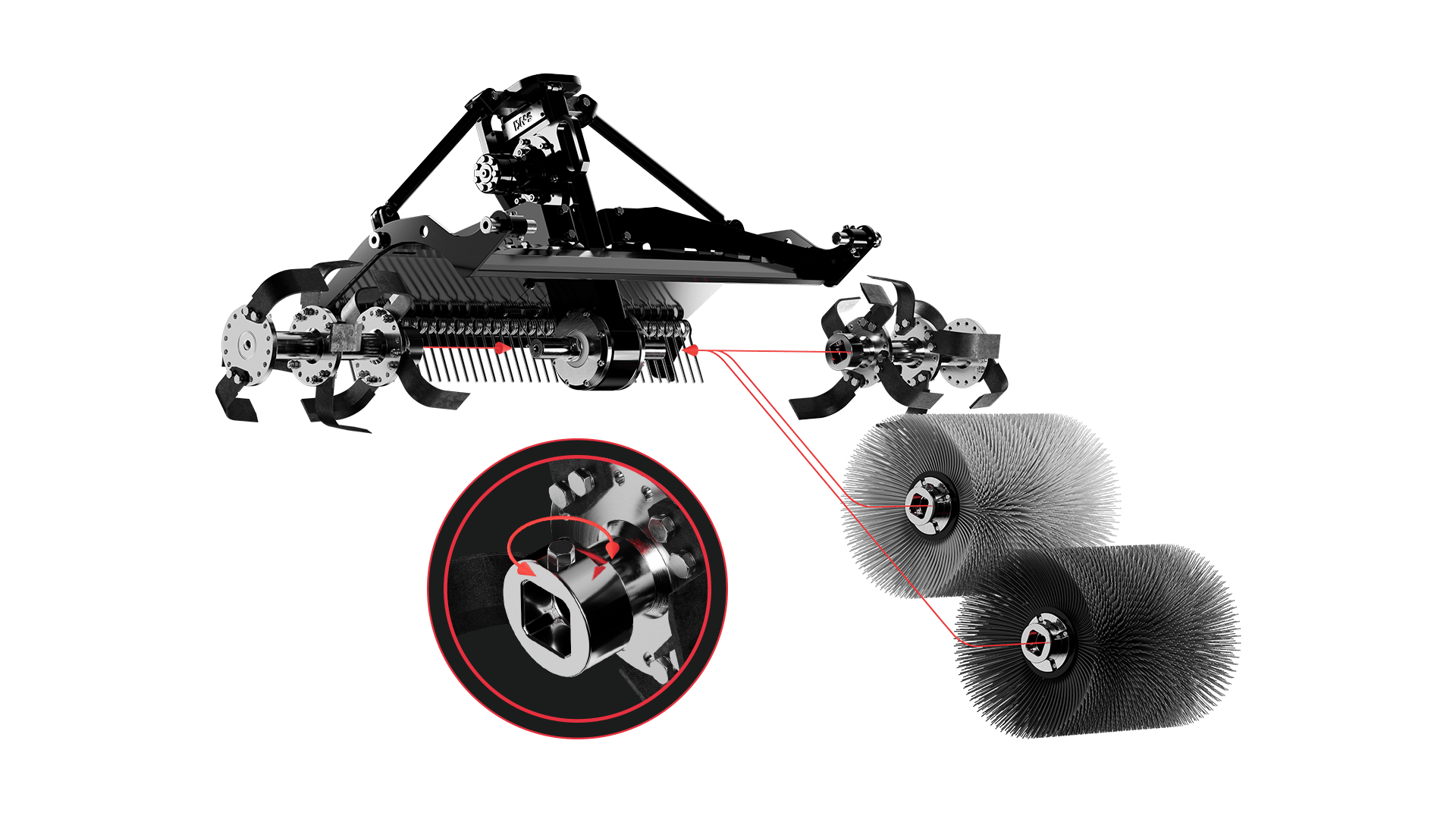
With the sweeping roller, surfaces can be cleaned efficiently—directly with the excavator and without an additional attachment.
Thanks to the practical bolted connection, the tools can be changed in just a few minutes. This saves time and increases utilization.
The weed brush removes unwanted vegetation from paved surfaces and expands the excavator’s range of applications.
- Weed removal: The weed brush removes unwanted vegetation from paved surfaces and expands the excavator’s range of applications.
- Sweeping surfaces: The sweeping roller allows surfaces to be cleaned efficiently – directly using the excavator and without the need for additional attachments.
- Save time with quick-change tools: thanks to the handy screw-in connection, tools can be changed in just a few minutes. This saves time and increases utilisation.
Versatile in use

GARDEN & LANDSCAPE
Prepare soils for lawns and plantings—directly with the existing excavator.
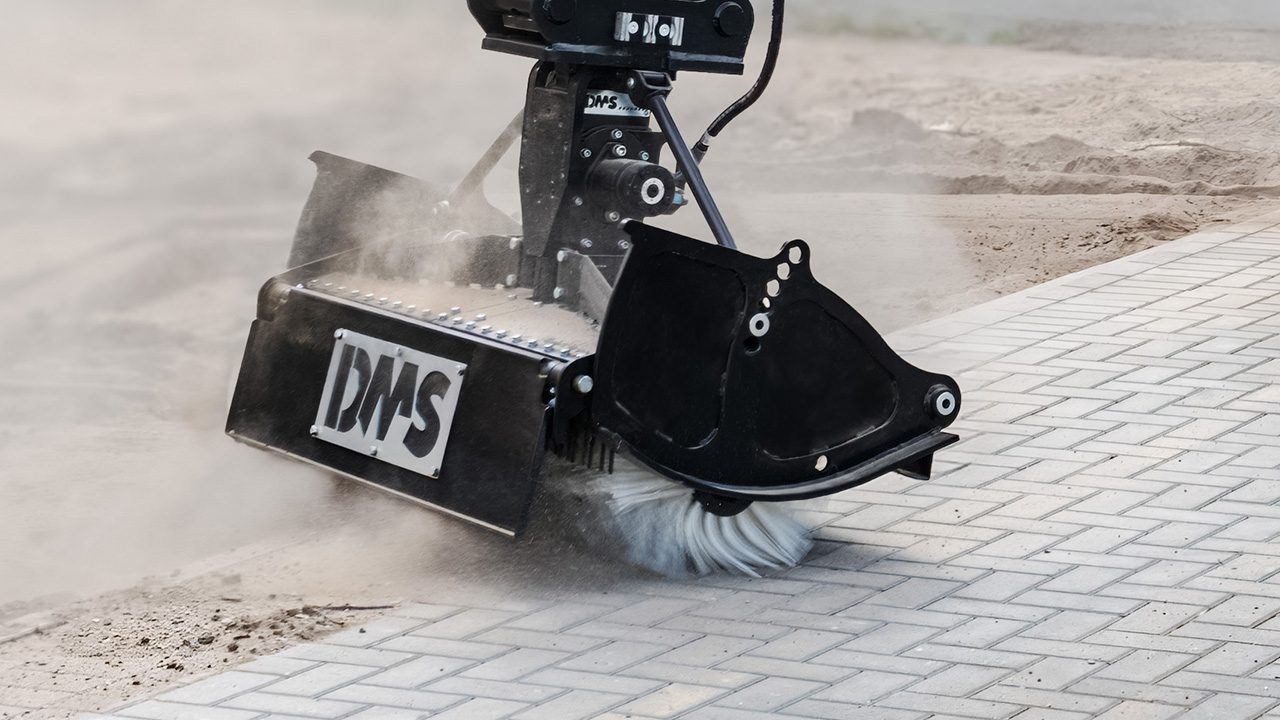
Municipal areas
Sweep surfaces and remove weeds—flexibly with interchangeable tools on the excavator.
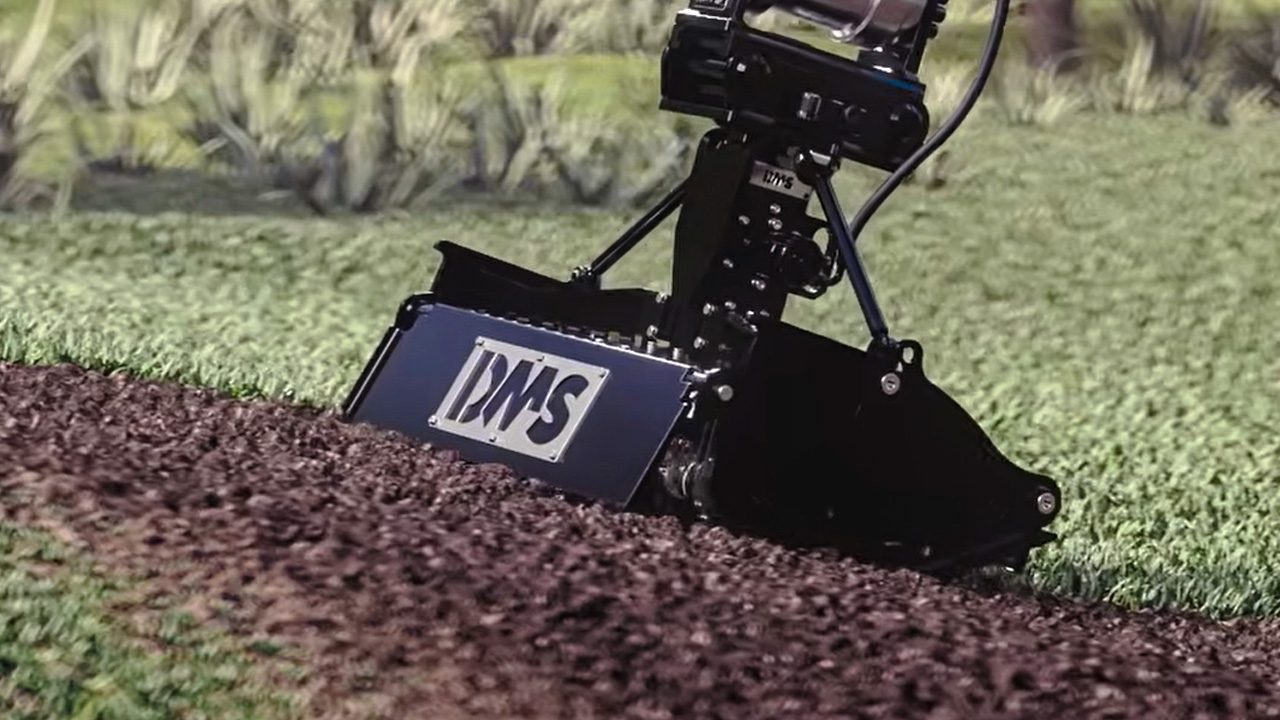
EMBANKMENTS & BERMS
Work on embankments and berms with ease using the excavator—even in challenging areas.
You are currently viewing a placeholder content from YouTube. To access the actual content, click the button below. Please note that doing so will share data with third-party providers.
More InformationThe rotary tiller in action
Professional soil preparation using an excavator-mounted reverse-rotation tiller—explained in just 2 minutes.
Delivery & Accessories
- Tiller with hydraulic direct drive
- Enclosed housing with front and rear flaps
- Adjustable Support Feet
- Quick-change system for tool shafts
- Lattice roller for leveling and light re-compaction
- Sweeping roller for paved surfaces
- Weed brush for weed removal (for BF70100 & BF100140)
Media library: rotary tiller attachment for excavators
You are currently viewing a placeholder content from YouTube. To access the actual content, click the button below. Please note that doing so will share data with third-party providers.
More InformationSubmit a product inquiry now
Do you have questions about our products or would you like advice? We are happy to assist you personally and look forward to your inquiry.
Frequently Asked Questions
No. The hydraulic direct drive does not require a case-drain line. For operation, the excavator only requires a suitable auxiliary hydraulic circuit for attachments.
Smaller stones are worked deeper into the soil during reverse tilling. If a larger foreign object blocks the tiller, the hydraulic drive stops. The closed enclosure supports controlled material flow.
The adjustable support feet transfer the forces generated back into the ground, so the excavator arm primarily needs to guide the tiller. Operation is comfortable from the cab—even when working on embankments.
The reverse tilling principle tills and screens the soil simultaneously. Turf, roots, and coarser material are worked in deeper, while fine soil is deposited on top. The optional lattice roller also levels and firms up the surface.
Yes. Using the quick-change system, optional sweeping rollers and weed brushes can be fitted in place of the cutter shaft. This allows the excavator to be used for different tasks.
Soil preparation is carried out directly with the existing excavator. This can reduce the need for additional equipment and transportation, as well as rental costs, while increasing utilization of the existing fleet.